
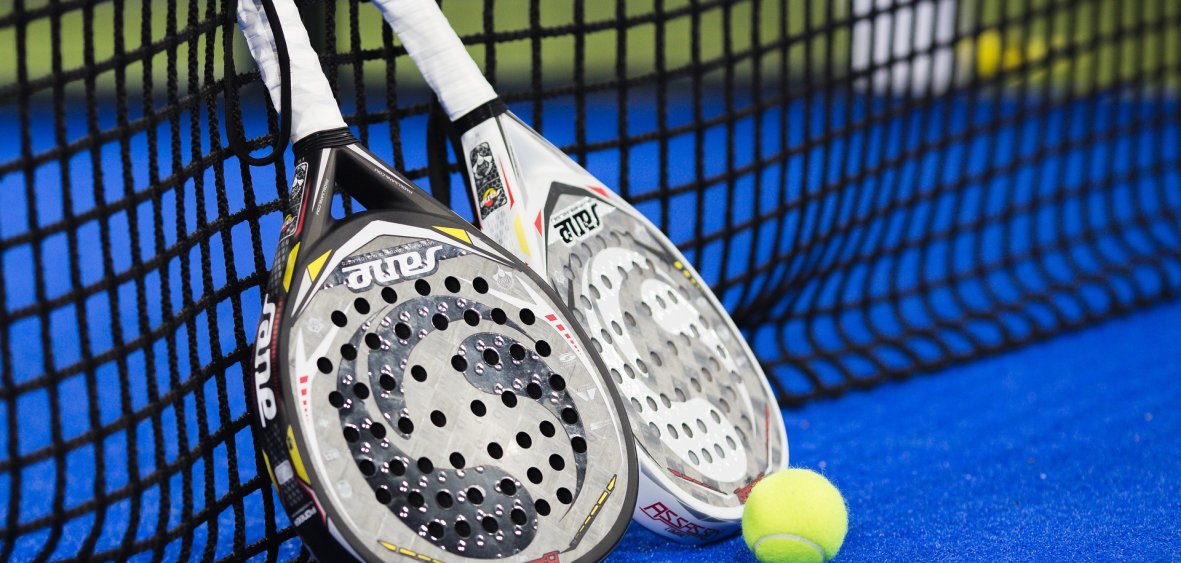
Padel is a sport that is rapidly gaining popularity, attracting investors thanks to its profit potential and attractiveness as an investment. Thanks to the smaller size of the court, building a padel court is more economical than building a tennis court. This makes it an advantageous choice both financially and in terms of space, which attracts investors looking for new opportunities.
Costs of building a padel court
The construction of a single padel court costs approximately PLN 200,000-300,000 net. These costs include foundations, surface, construction, lighting, transport and assembly. Investing in a padel court is a significant expense that requires careful planning.
Prefabricated foundations as an option
Prefabricated foundations cost around PLN 130,000. Their advantage is that they do not require a building permit, which can be useful in certain locations. The use of prefabricated foundations speeds up the construction process, as the elements are prepared in advance and ready for assembly. In addition, the lack of formalities associated with obtaining building permits can speed up the entire investment process.
How to choose a surface: MONDO or Turfgrass Advance?
The court surface can be made of more expensive MONDO artificial grass or cheaper and slower Turfgrass Advance. The choice of surface depends on playing preferences and budget. MONDO provides faster and more dynamic gameplay, which is often preferred in professional environments. Turfgrass Advance, on the other hand, as a more economical option, may be an attractive proposition for places with a larger number of amateurs and investors looking for savings without significantly affecting the quality of play.
SQUASHTECH is a leading manufacturer of padel courts, distinguished by the exceptional quality of its products and modern solutions.
Profits from renting a padel court
Renting a padel court generates higher profits than renting a tennis court due to higher rental rates. In Warsaw, an hour of padel court rental costs over PLN 180.
Building a padel court is an investment that can quickly pay for itself thanks to favourable rental prices. While traditional tennis courts are often rented at lower rates, padel courts are attracting an increasing number of enthusiasts willing to pay more to play. High rental prices, which can reach up to PLN 200 per hour in large cities, mean that investors can count on a quick return on their investment.
The popularity of padel is growing not only in Poland but also worldwide, which affects the profitability of such ventures. Padel courts are more compact than tennis courts, which means that more facilities of this type can be built on the same area. This, in turn, allows for an increase in the number of hours rented and generates higher revenues for owners.
The seasonality of rentals is another factor affecting profits from padel courts. The possibility of playing indoors means that padel is not as dependent on weather conditions as tennis. This means that padel courts can be used all year round, providing a steady income. Organising tournaments and sporting events can attract additional players and increase profits.
Court roofing and its use
Building a roof over a padel court initially increases costs, but allows the facility to be used all year round, regardless of the weather. For many court owners, the option of a roof is attractive because it attracts more users in the colder months. In regions with frequent rainfall and harsh winters, a roof becomes almost a necessity.
A roof not only protects against rain and snow, but also protects the court surface. Extending the life of the surface reduces repair and replacement costs. An additional advantage is the ability to organise tournaments or events without fear of cancellation due to bad weather. Covered courts can generate steady income even in unfavourable weather conditions.
It is also worth mentioning that modern technologies offer various roofing solutions, from permanent structures to those that can be opened and closed as needed. Although the initial construction of such a roof may be costly, in the long term this investment brings significant financial benefits. Court owners who opt for this solution can expect greater interest from players and greater flexibility in organising sporting events.
Materials for building padel courts
Padel courts require careful selection of materials to ensure durability and user safety. Galvanised steel profiles form the basis of the structure, as they are resistant to corrosion and mechanical damage, which is essential for outdoor use. In addition, the tempered glass used in the court walls is highly impact-resistant, which minimises the risk of breakage and increases safety during play.
Polycarbonate glass fixings are another important element that provides additional impact resistance. This material is known for its flexibility and resistance to various weather conditions, making it an ideal choice for outdoor applications. Thanks to these properties, padel courts are able to withstand both intensive use and changing weather conditions, which translates into a longer service life for the facility.
The selection of appropriate materials affects not only durability, but also aesthetics and comfort of use. Modern designs often incorporate other modern materials that can improve court acoustics and player comfort, making the game more enjoyable and professional. Thanks to the use of high-quality materials, padel courts can serve for many years, providing excellent fun and sporting competition.
Regular court maintenance
Regular maintenance of a padel court is an investment that translates into the durability and functionality of the facility. Here's what to look out for:
Checking the condition of the structure, windows and court surface
- - Regular inspections to help detect minor damage before it becomes a serious problem
- - Monitoring corrosion in the case of metal structures, which can affect the stability of the entire court
- - Checking the glass surrounding the court to ensure that there are no cracks or chips that could endanger the safety of players
- - Keeping the surface free of debris such as leaves or sand that could affect the quality of play
Court cleaning should include both the surface and other elements such as nets and court lines. Removing dirt and moisture prevents their accumulation, which could lead to mould or other undesirable damage. Maintenance costs may vary depending on the location and materials used, but they are certainly lower than the costs of repairs resulting from neglect.
FAQ
What are the main costs associated with building a padel court?
Building a padel court involves several significant expenses. The costs include the construction of foundations, which are necessary to ensure the stability of the entire structure. Another important element is the surface, which must be suitable for intensive use. The construction of the court also includes the installation of a solid frame and net. The installation of lighting is important, especially if the court is to be used after dark. Transport and assembly of all components on site must also be taken into account, which can sometimes represent a significant part of the total cost.
Why does the construction of a padel court attract investors?
The construction of padel courts is of interest to investors mainly due to the dynamic development of this sport. Padel is one of the fastest growing sports in the world, which means a growing number of enthusiasts and potential players. Investors see this as an attractive opportunity for profit, as the popularity of padel translates into increased demand for sports facilities. In addition, the variety of padel tournaments and events often attracts sponsors and spectators, which can contribute to additional revenue.
What are the differences between MONDO and Turfgrass Advance surfaces?
The choice of surface is important for the functionality and comfort of playing on a padel court. MONDO surfaces are considered more exclusive, which translates into a higher price. They are characterised by high durability and faster play, which is appreciated by professional players. Turfgrass Advance is a more economical solution that offers slower play. It is cheaper and less demanding to maintain, but slightly less durable. The choice between these surfaces often depends on your budget and expectations regarding playing style.
Is investing in a padel court roof worthwhile?
Roofing a padel court is a decision that can affect the level of use of the facility. Roofing increases the cost of construction, which can be a significant initial expense. However, such an investment allows the court to be used all year round, regardless of weather conditions. This, in turn, can generate greater profits, as it allows for more classes, tournaments and bookings to be organised throughout the year. For investors who want to maximise their revenue and ensure business continuity, a court roof can be a cost-effective solution.
Zobacz również

Different
Overheated phone - effects, prevention, repair
23 November 2021

Different
How to make money on the Internet?
28 June 2019
It's worth reading

Cybercriminals are attacking TV sets
It turns out that not only computers and smartphones are exposed to cybercriminals. Now smart TVs can become their victims. Even a flawlessly created code may not be enough security. Fans of...


